Credit Score Prediction

Credit Score Prediction

📊 Credit Score Prediction

Project Type: Machine Learning Model | Industry Focus: Finance | Tools Used: Python, Scikit-learn, Pandas, Matplotlib, Seaborn

🔍 Project Overview

Built a supervised learning model to predict individual credit scores—categorized as Poor, Standard, or Good—based on key financial and behavioral indicators. The project aims to support financial institutions in automating credit risk evaluation and improving lending decisions.

🎯 Objectives

  • Classify credit scores using supervised machine learning algorithms
  • Analyze the relationship between financial behavior and creditworthiness
  • Provide a data-driven foundation for credit risk assessment

🧩 Dataset

  • Source: Public datasets (Kaggle / UCI repository)
  • Features: Age, Income, Loan Amount, Credit Inquiries, Payment History, Credit Utilization, etc.
  • Target: Credit Score Category (Poor, Standard, Good)

🛠️ Techniques & Methodology

  • Performed exploratory data analysis (EDA) and data cleaning
  • Created engineered features like debt-to-income ratio and account age
  • Applied models: Logistic Regression, Random Forest, XGBoost
  • Evaluated performance using Accuracy, F1-Score, Confusion Matrix, ROC-AUC

🚀 Key Results

  • Best model (XGBoost) achieved ~89% accuracy on test data
  • Feature importance showed payment history and utilization ratio as top predictors
  • Deployed an interactive scoring tool using Streamlit (optional integration)

💼 Business Impact

This model demonstrates how financial service providers can leverage AI to optimize loan approvals, minimize default risk, and offer personalized financial products based on customer credit profiles.

Key Results

Achieved ~89% accuracy with the XGBoost model. Identified that repayment history and credit utilization were the most influential features. Deployed the final model using Streamlit for an interactive credit risk scoring demo.

Code Snippet

import pandas as pd
import numpy as np
import plotly.express as px
from IPython.display import display
import matplotlib.pyplot as plt
import seaborn as sns
import plotly.graph_objects as go
from plotly.subplots import make_subplots

from sklearn.model_selection import train_test_split
from sklearn.preprocessing import PowerTransformer,OrdinalEncoder
from imblearn.over_sampling import SMOTE
import re

from sklearn.neighbors import LocalOutlierFactor
from sklearn.impute import SimpleImputer
from sklearn.ensemble import (
BaggingClassifier,ExtraTreesClassifier,
RandomForestClassifier, StackingClassifier,
HistGradientBoostingClassifier)
from xgboost import XGBClassifier
from sklearn.metrics import classification_report,accuracy_score,confusion_matrix, precision_score,recall_score,f1_score,roc_auc_score
import joblib

import warnings
warnings.filterwarnings('ignore')

# Load the dataset

data=pd.read_csv('/content/drive/MyDrive/Colab_Notebooks/Credit Score/train.csv')
data.sample(10)

# Preprocessing
data.select_dtypes(include='object').head()
data['Payment_of_Min_Amount']=data['Payment_of_Min_Amount'].map({'NM':'No',
                                   'No':'No',
                                   'Yes':'Yes'})
data['Payment_of_Min_Amount'].unique()
for i in data.select_dtypes(include='object').columns[:2]:
  display(data.groupby('Credit_Score')[i].value_counts().sort_index().unstack().style.background_gradient(cmap='RdBu_r',axis=0))


# Initialize and train the model
bagging = BaggingClassifier(n_jobs=-1)
extraTrees = ExtraTreesClassifier(max_depth=10, n_jobs=-1)
randomForest = RandomForestClassifier(n_jobs=-1)
histGradientBoosting = HistGradientBoostingClassifier()
XGB = XGBClassifier(n_jobs=-1)

model = StackingClassifier([
    ('bagging', bagging),
    ('extraTress', extraTrees),
    ('randomforest', randomForest),
    ('histGradientBoosting', histGradientBoosting),
    ('XGB', XGB)
    ], n_jobs=-1)

model=model.fit(x_train, y_train)
y_pred=model.predict(x_test)

# Evaluate the model
print(f'Accuracy Score: {accuracy_score(y_pred,y_test)}')
precisionscore=precision_score(y_pred,y_test,average='weighted')
f1score=f1_score(y_pred,y_test,average='weighted')
print(f'Precision Score: {precisionscore}')
print(f'f1 Score: {f1score}')

Other Projects

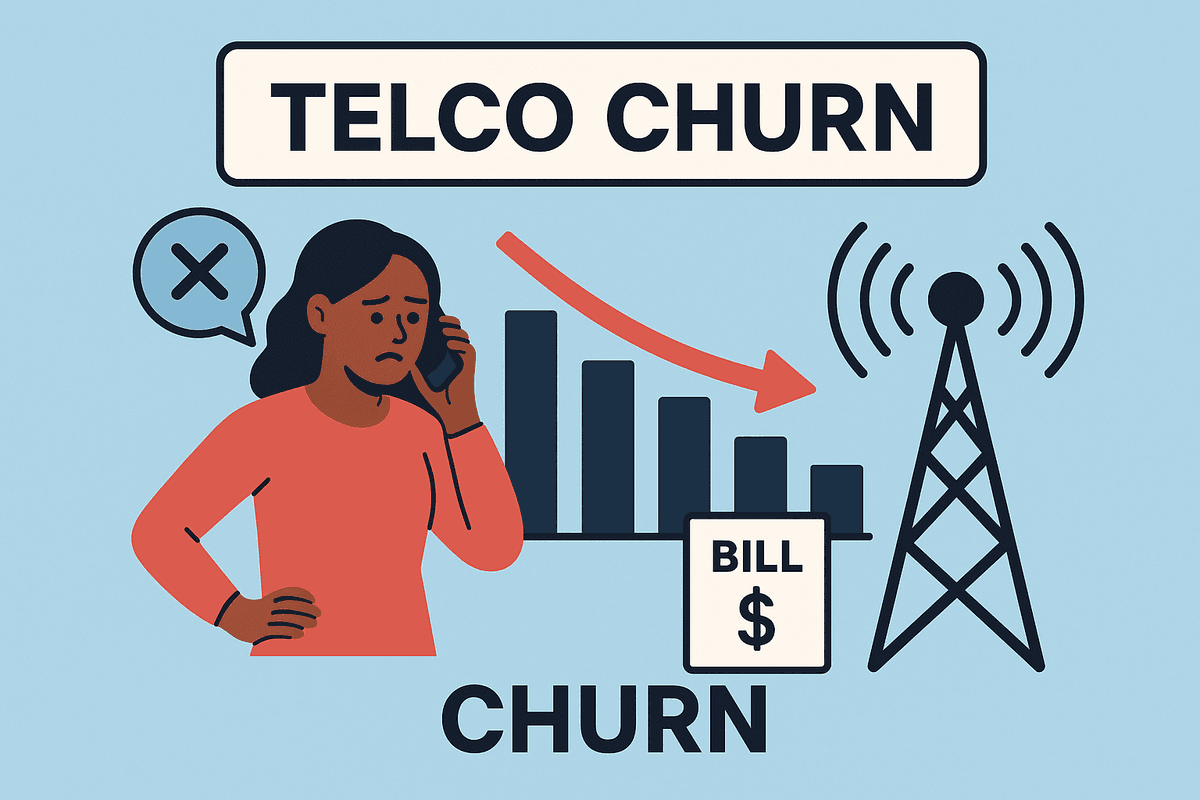
Telco Churn
Telco Churn
Telco churn refers to the rate at which customers discontinue their services with a telecommunications company-whether it's mobile, internet, cable TV, or bundled services. It's a critical KPI in the telecom industry because high churn rates = revenue leakage + brand instability.
Data-Science
Python
Scikit-learn
Pandas
Numpy
Tensorflow
Keras
Pytorch
View Project
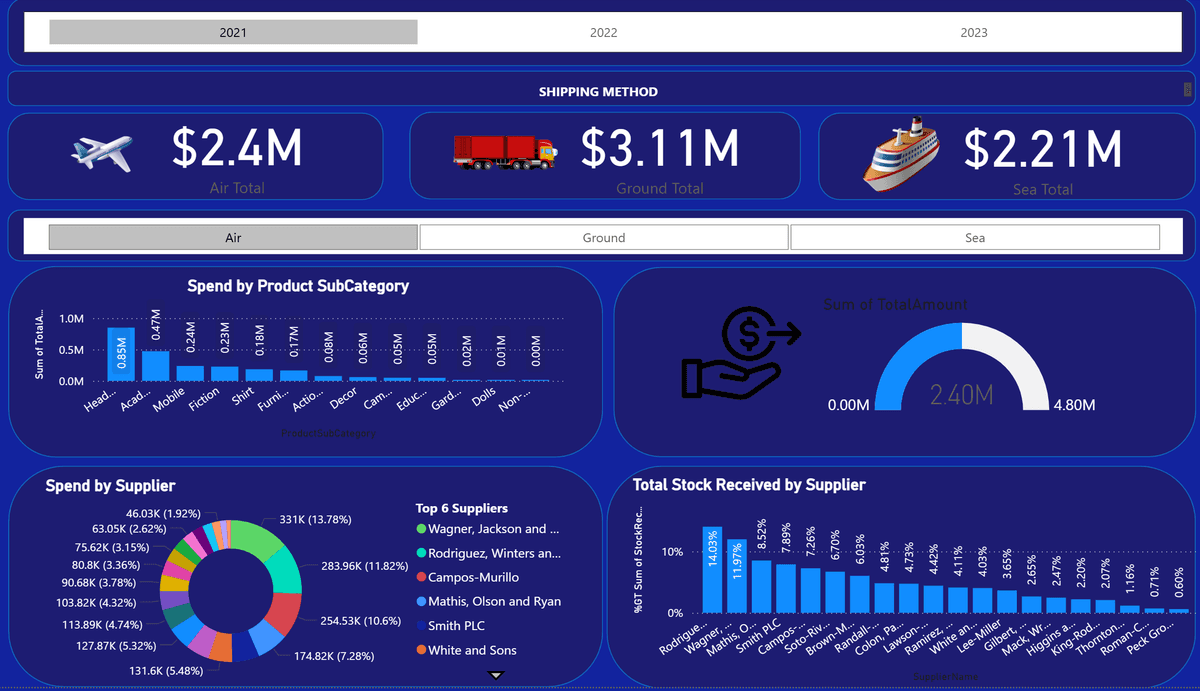
supply chain spend analytics dashboard overview
This project involved building an interactive Spend Analytics Dashboard to help logistics, procurement and finance teams gain real-time visibility into organizational spending. The dashboard consolidated multi-year spend data across vendors, product categories, and logistics channels - providing a centralized decision-support system for cost control and strategic sourcing.
Visualization
PowerBI
View Project
Scraping Airbnb
Scraping Airbnb
This project demonstrates my ability to combine web scraping techniques with machine learning to classify images. The goal was to build a pipeline that scrapes images of shoes from a website and uses them for training a machine learning model.
WebScraping
BeautifulSoup
Selenium
Scrapy
View Project
Customers Transaction Analysis
A comprehensive database management system for a small business.
Database
SQL
MySQL
PostgreSQL
MongoDB
Pyspark
View Project
Bulldozer Sale Price Prediction
This project tackled a real-world business problem sourced from a Kaggle competition hosted by Caterpillar Inc. Using structured data containing product specifications, usage history, and transactional attributes, I built a machine learning pipeline capable of forecasting future equipment prices a key tool for optimizing resale strategy in capital-intensive industries.
Data-Science
Python
Scikit-learn
Pandas
Numpy
Tensorflow
Keras
Pytorch
View Project
Customer Booking Prediction
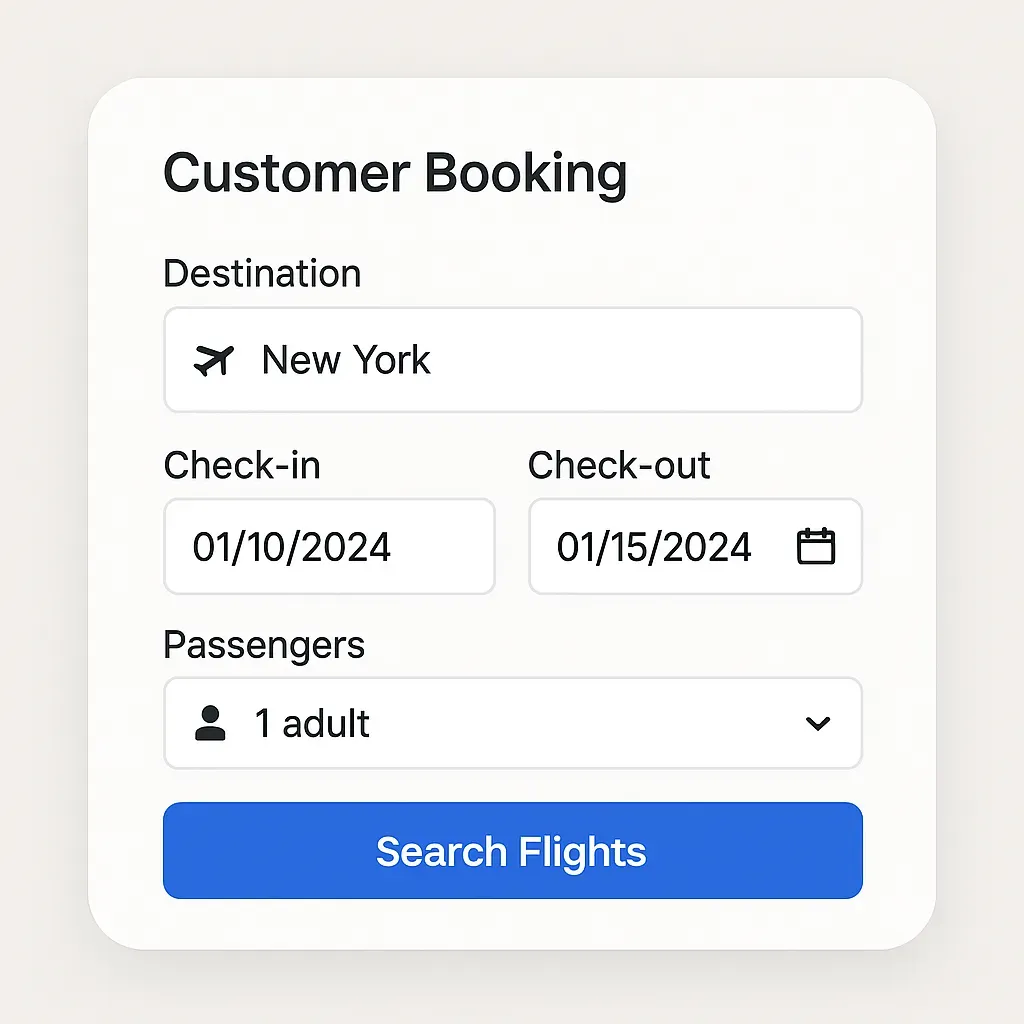
This Customer Booking Prediction project uses historical transaction data, customer behavior patterns, and contextual variables to forecast the likelihood and timing of future bookings. By applying machine learning models such as Logistic Regression, XGBoost, or Neural Networks, organizations can identify which customers are most likely to make a booking, when they are likely to do so, and what factors influence their decision
Data-Science
Python
Scikit-learn
Pandas
Numpy
Tensorflow
Keras
Pytorch
View Project
Bike Sharing Prediction
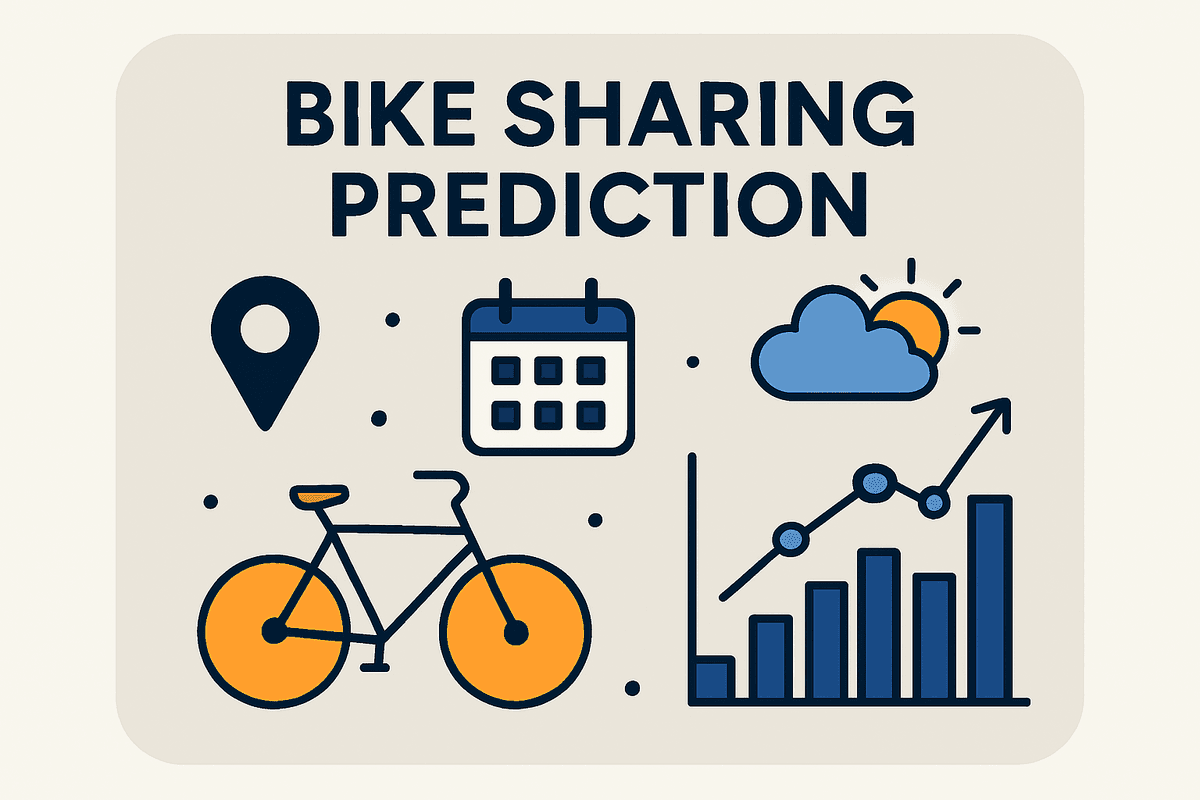
This project Bike Sharing Prediction leverages historical rental data, weather patterns, seasonal trends, and time-based variables to forecast future demand for shared bicycles. This predictive modeling process typically involves data preprocessing, feature engineering, and the application of machine learning algorithms such as Random Forest and Gradient Boosting
Data-Science
Python
Scikit-learn
Pandas
Numpy
Tensorflow
Keras
Pytorch
View Project
Customer Segmentation
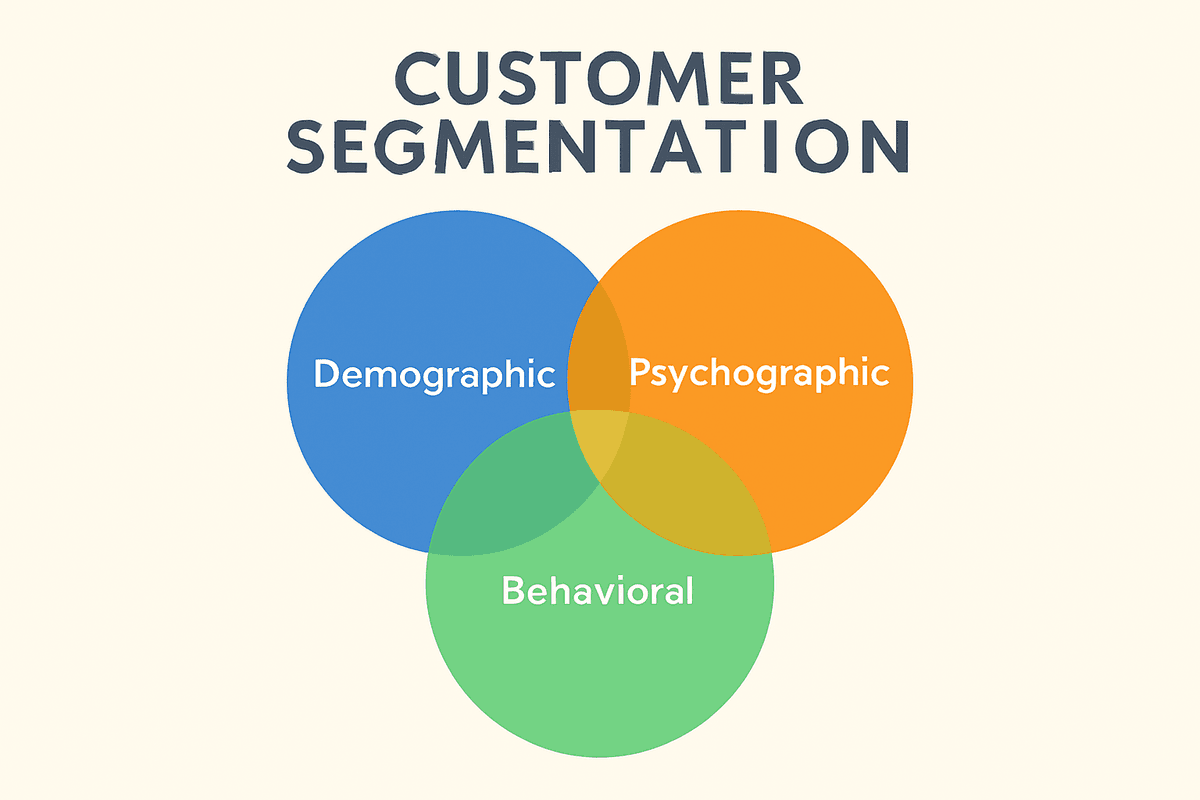
Developed a predictive classification model to determine the likelihood of a customer completing a booking. The project enables businesses to reduce cart abandonment, optimize marketing strategies, and increase conversion rates.
Data-Science
Python
Scikit-learn
Pandas
Numpy
Tensorflow
Keras
Pytorch
View Project
Sales Dashboard using Power BI
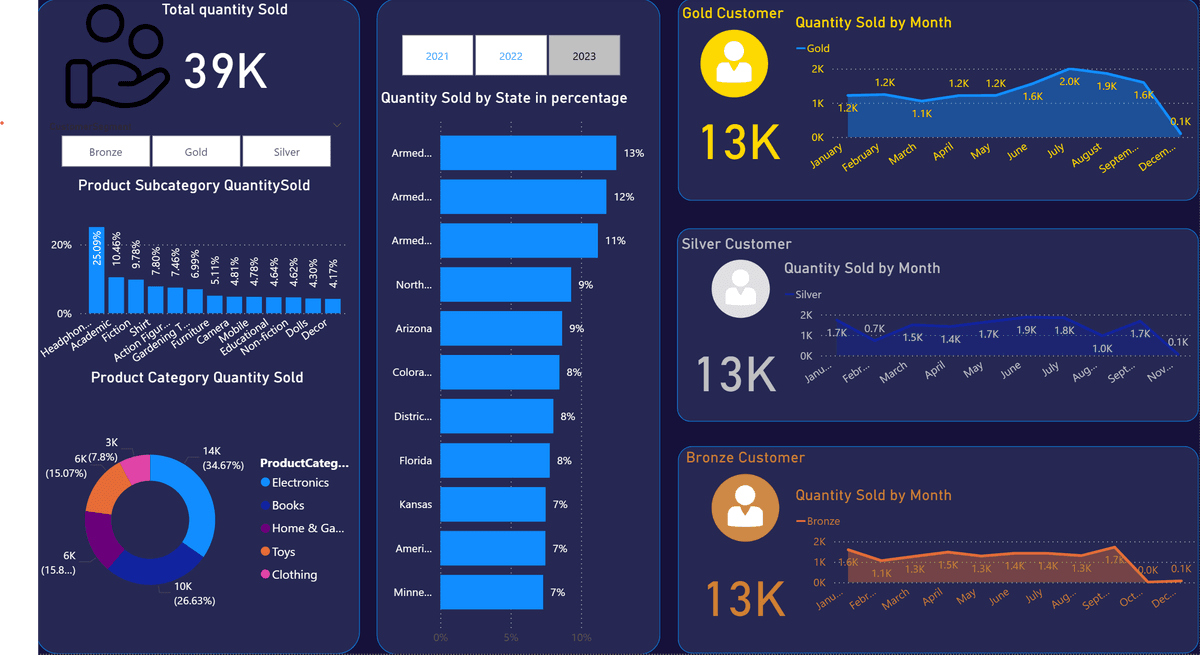
This Sales Performance Dashboard provides actionable insights into product sales, customer segmentation, and regional performance. Built with Power BI, this dashboard supports strategic decision-making by consolidating large volumes of transactional data into an interactive and visually intuitive interface.
Visualization
PowerBI
View Project
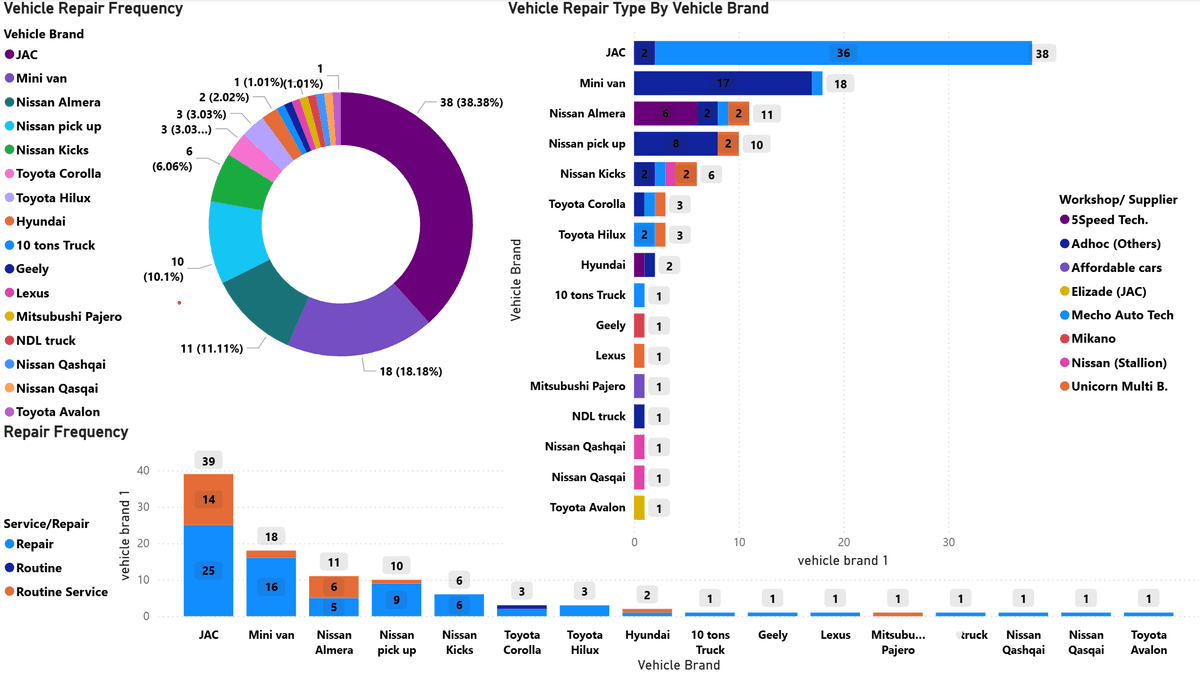
Vehicle Repair Dashboard
This Vehicle Repair Dashboard provides a strategic lens into fleet maintenance activities across suppliers, vehicle brands, and service types. It enables data-driven decision-making by highlighting repair patterns, supplier performance, and maintenance trends.
Visualization
PowerBI
View Project
Web Scraping and Image Classification with TensorFlow
This project demonstrates my ability to combine web scraping techniques with machine learning to classify images. The goal was to build a pipeline that scrapes images of shoes from a website and uses them for training a machine learning model.
WebScraping
BeautifulSoup
Selenium
Scrapy
View Project
British Airways Customer Review Web Scraping, Text Classification, Sentiment Analysis, and Customer Satisfaction
This project demonstrates my ability to combine web scraping techniques with machine learning to classify images. The goal was to build a pipeline that scrapes images of shoes from a website and uses them for training a machine learning model.
WebScraping
BeautifulSoup
Selenium
Scrapy
View Project
British Airway Webscraping with Beautifulsoup
This project demonstrates how web scraping can be used to extract valuable data from airline websites, specifically British Airways, using Python's BeautifulSoup library. The goal was to scrape flight-related data, such as flight details, prices, and other useful information, from the British Airways website for analysis.
WebScraping
BeautifulSoup
Selenium
Scrapy
View Project
Ecommerce Website Webscraping
This project uses requests and BeautifulSoup to scrape product listings from StockX’s e-commerce platform. The scraper extracts product name, description, price, and image link across multiple paginated results, storing them in a structured dataset for analysis or integration into business workflows.
WebScraping
BeautifulSoup
Selenium
Scrapy
View Project
Jumia Website Scraping
This project uses requests and BeautifulSoup to scrape product listings and prices from Jumia Nigeria. The scraper works across multiple pages and categories, returning structured datasets ready for analysis.
WebScraping
BeautifulSoup
Selenium
Scrapy
View Project
Stack Overflow Text Classification
This project involves building a multi-class classification model to predict the tag of a Stack Overflow question based on its content. The goal is to classify programming questions into specific tags such as Python, CSharp, JavaScript, and Java using Natural Language Processing (NLP) techniques.
Data-Science
Deep-Learning
Python
Numpy
Tensorflow
Keras
Pytorch
View Project
Fruits Image Classification
This project leverages image classification techniques to classify fruit images into their respective categories using Convolutional Neural Networks (CNN). The dataset used is the Fruits 360 dataset, which includes a wide variety of fruits and vegetables, and the goal was to build a model capable of predicting the type of fruit based on the image.
Data-Science
Deep-Learning
Python
Numpy
Tensorflow
Keras
Pytorch
View Project
Purchase Prediction
Purchase Prediction
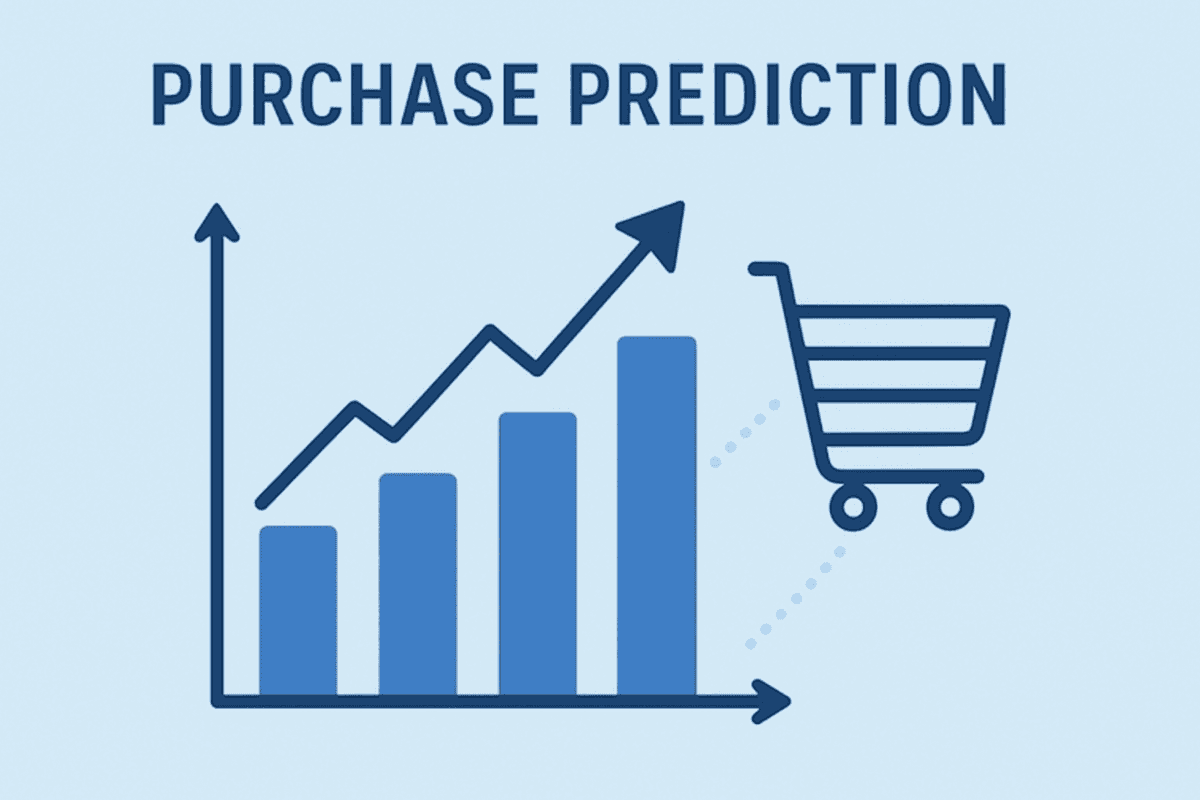
Purchase Prediction with Logistic Regression.This project focuses on using logistic regression to predict customer purchases based on various demographic and behavioral features. The goal was to predict whether a customer will make a purchase (binary classification) using factors such as age, gender, marital status, income, occupation, and more.
Data-Science
Scikit-learn
Python
Numpy
K-Means
PCA
Logistic Regression
View Project
Ebay Sneakers WebScraping Using Selenium
This project demonstrates the use of Python-based web scraping to extract product information from eBay. The focus was on collecting structured data such as item titles, prices, and condition from search result pages, enabling price analysis and market research.
WebScraping
BeautifulSoup
Selenium
Scrapy
View Project
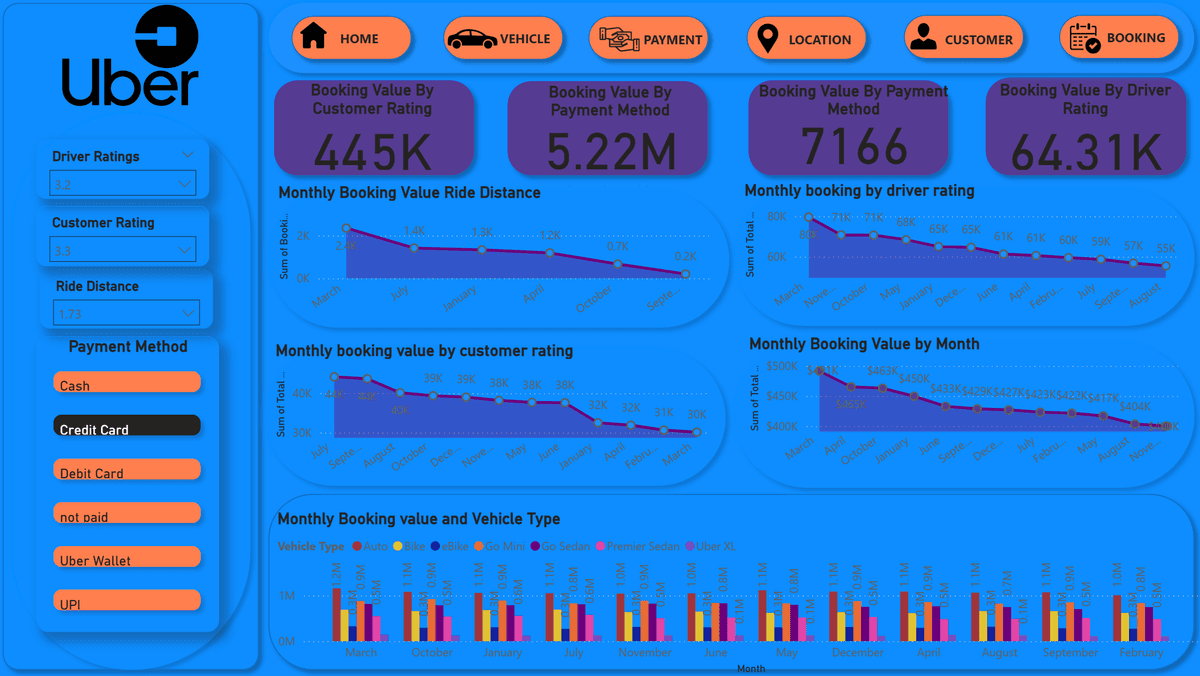
Uber Ride Analytics Dashboard Overview
This project involved building an interactive Uber Analytics Dashboard to provide insights into ride bookings, payment methods, vehicle usage, and location-based demand. The dashboard enabled stakeholders to monitor trends in customer behavior, evaluate revenue drivers, and optimize fleet allocation for operational efficiency and strategic planning.
Visualization
PowerBI
View Project
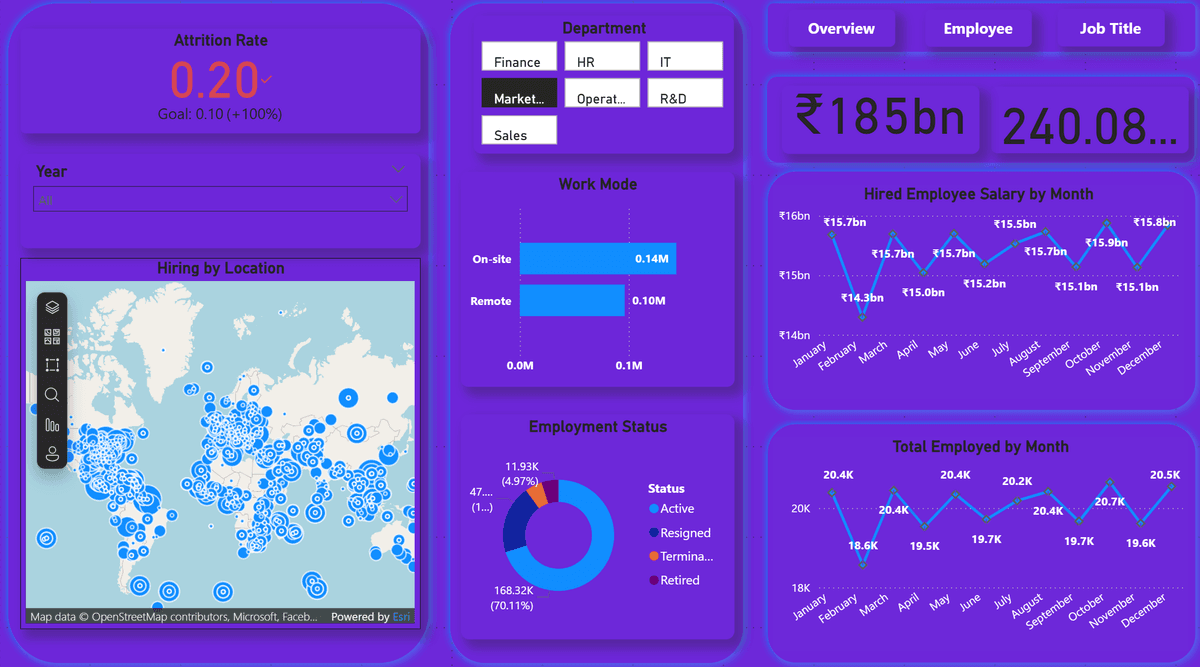
HR Analytics Dashboard Employee & Attrition Insights
This project involved building an Interactive HR analytics dashboard covering employee attrition, hiring, salaries and departmental performance. Includes data visualizations and KPIs for strategic HR decision-making.
Visualization
PowerBI
View Project